1. Taxes
On the DRP Compass, more agreement counts as liberal.
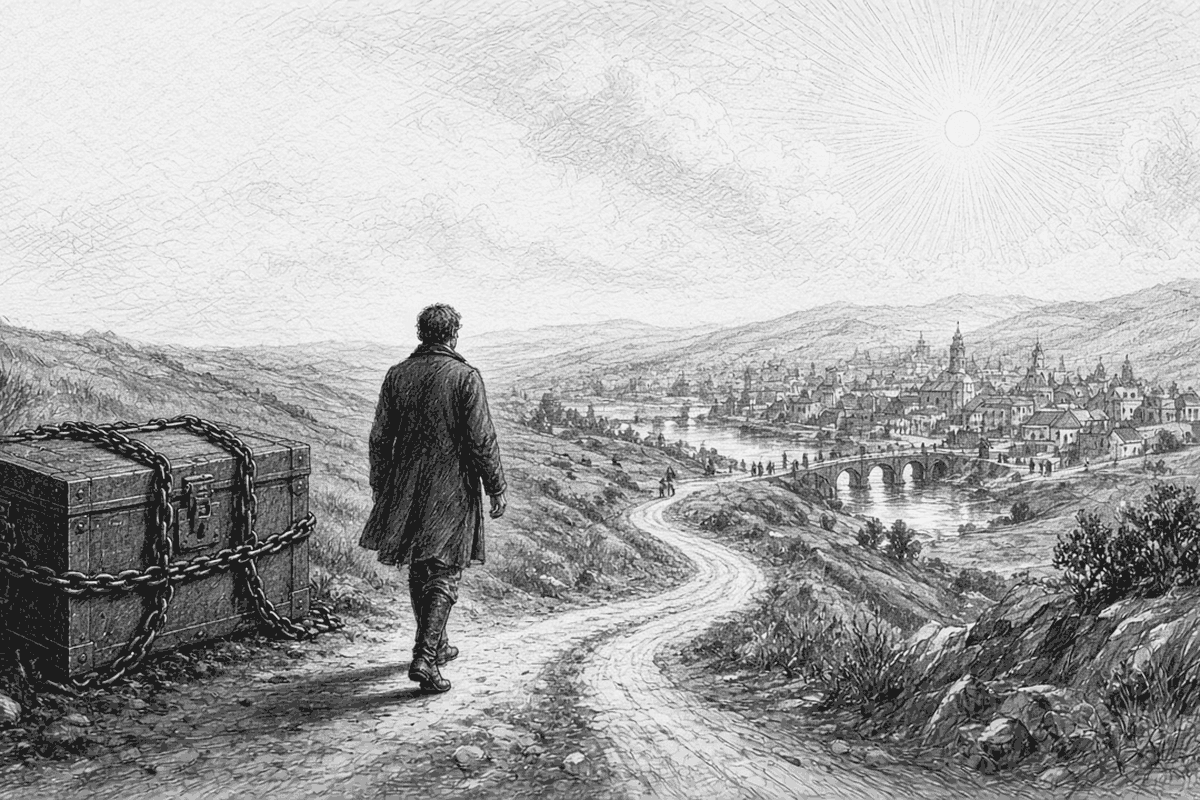
Taxes are evil and unnecessary.
The proposal calls taxes evil, and it calls them unnecessary.
He calls taxation theft under threat of force. Government, in his view, has no special permission to take money that way. It should pay for roads, courts, police, and the military the way anyone else pays bills: by earning. He does not prescribe the method, only the limit. Do not assault or rob people to get the money.
Ideally, he says, government would take care of people’s needs and desires by selling goods and services that citizens already demand.
Frequently raised objections
Call it inefficient, not evil
He calls it evil because it is theft under threat of force, not merely a clumsy way to raise money.
Who pays for roads, courts, police, and the military?
Government can earn the money without coercion. That is his answer for what replaces taxes as well.
Does the manner of earning matter?
He compares it to rent. He does not care how the money was earned, so long as no one was assaulted or robbed to get it.
2. Inflation/deflation
On the DRP Compass, more agreement counts as liberal.
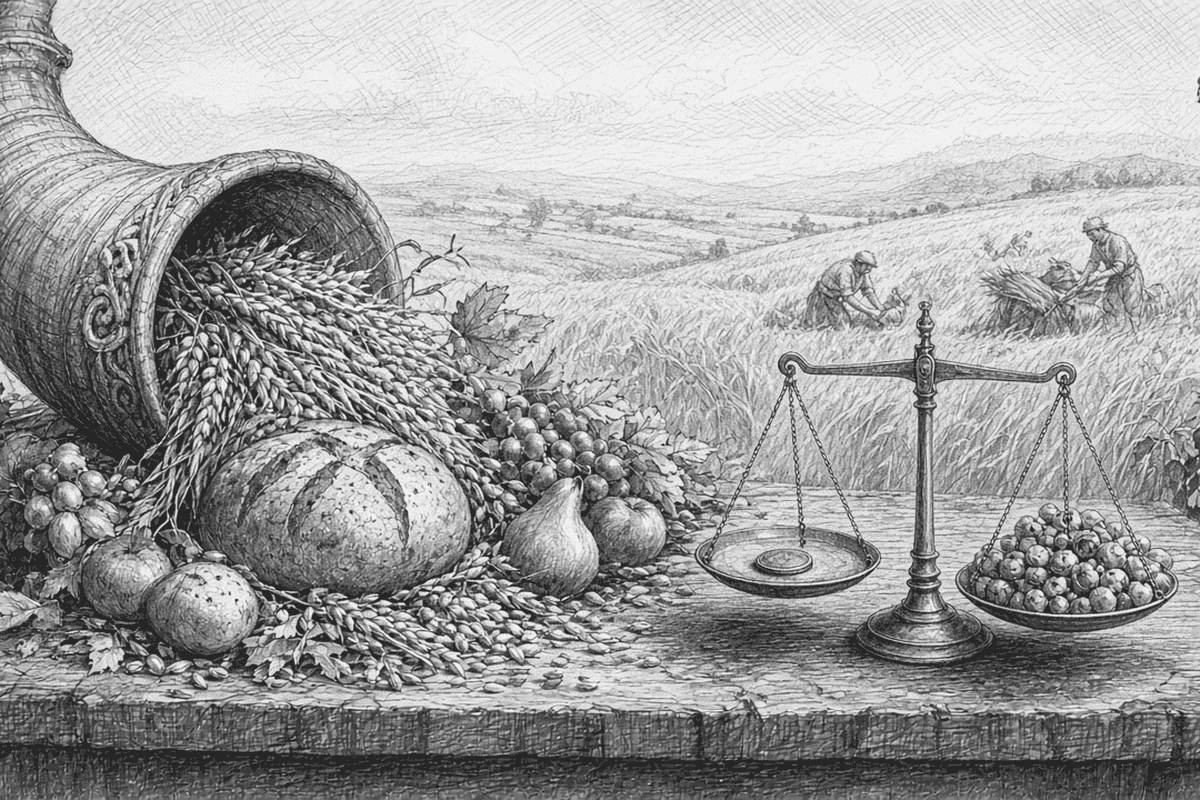
Inflation is bad, and abundance- driven deflation is good.
The proposal calls inflation bad, and it calls deflation good when that deflation comes from abundance.
He treats credit as inherently valuable. Money becoming more valuable makes credit more precious, not less. He rejects the idea that abundance-driven deflation must spiral through debt. On a fixed mortgage, the dollar payments and the interest stay what was agreed. He also says goods and services have inherent value, so demand can be pushed down only so far. With enough abundance, he says, lenders can still profit at negative interest rates.
Frequently raised objections
Deflation makes debts unpayable
He says credit stays valuable, and that a famous crash was an overleveraged house of cards, not abundance. The agreed dollar payments do not rise, and he rejects treating a higher real burden as decisive when wages do not fall as far as prices.
People will wait to buy if tomorrow is cheaper
Goods and services have inherent value, so demand can be suppressed only to a point, even for luxuries. Lower prices, he says, then show what things are really worth.
Lenders cannot survive falling prices
He says that with enough abundance-driven deflation, lending can profit even at negative interest rates.
3. Money not hegemonic value
On the DRP Compass, more agreement counts as conservative.
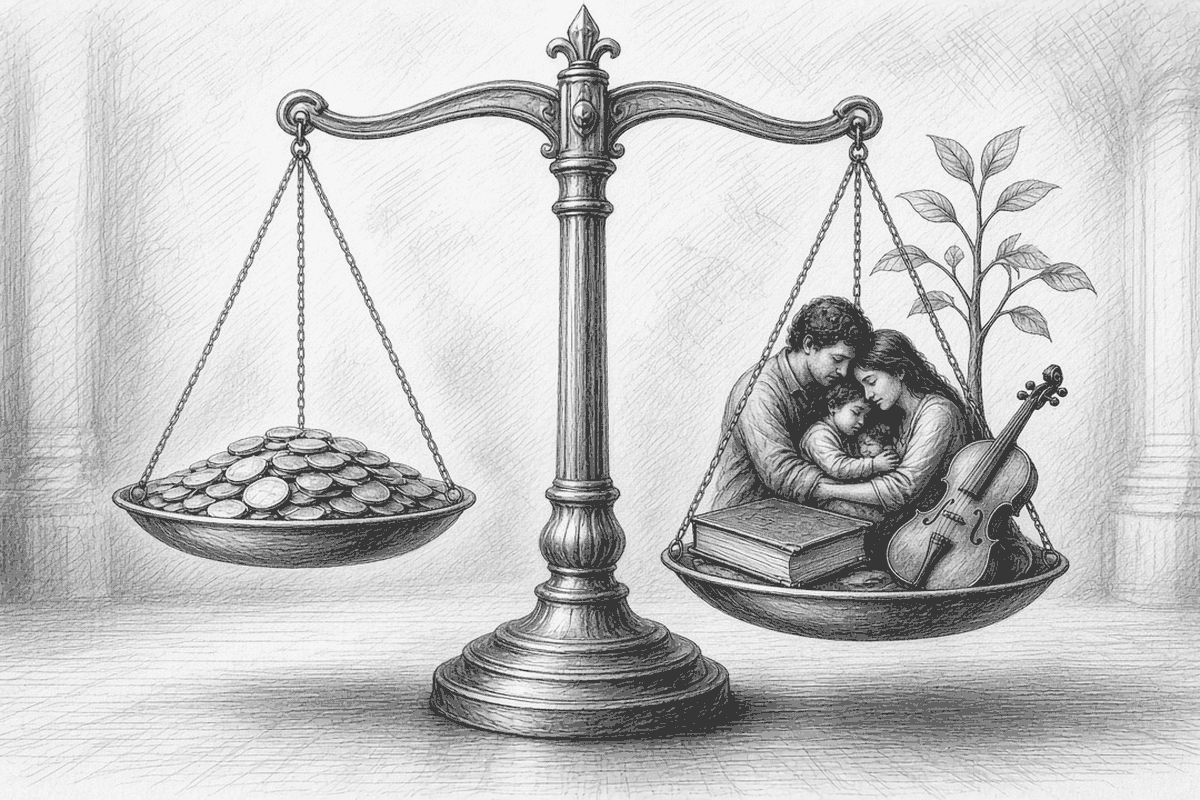
Money should not be the hegemonic unit of value in society.
The proposal says money should not be the hegemonic unit of value in society.
He does not mean that money must stop being widely used, or even that it cannot sit on top. He means it must not be the only yardstick, and that too few things count as money. Exchanges become unfair, he says, when objective value in things other than money is barely recognized.
He wants more kinds of money, provided fraud can be investigated. Other value systems should be formalized at least enough to judge fairness after a transaction, and at a certain level they must be financially unregulated. Barter has to remain valid. That does not make it legal to barter illegal goods, such as slaves.
Frequently raised objections
If money is on top, it is already hegemonic
He calls that a strawman. The top spot is not the same thing as hegemony, and he also objects that too few things are allowed to count as money.
4. Free speech
On the DRP Compass, more agreement counts as liberal.
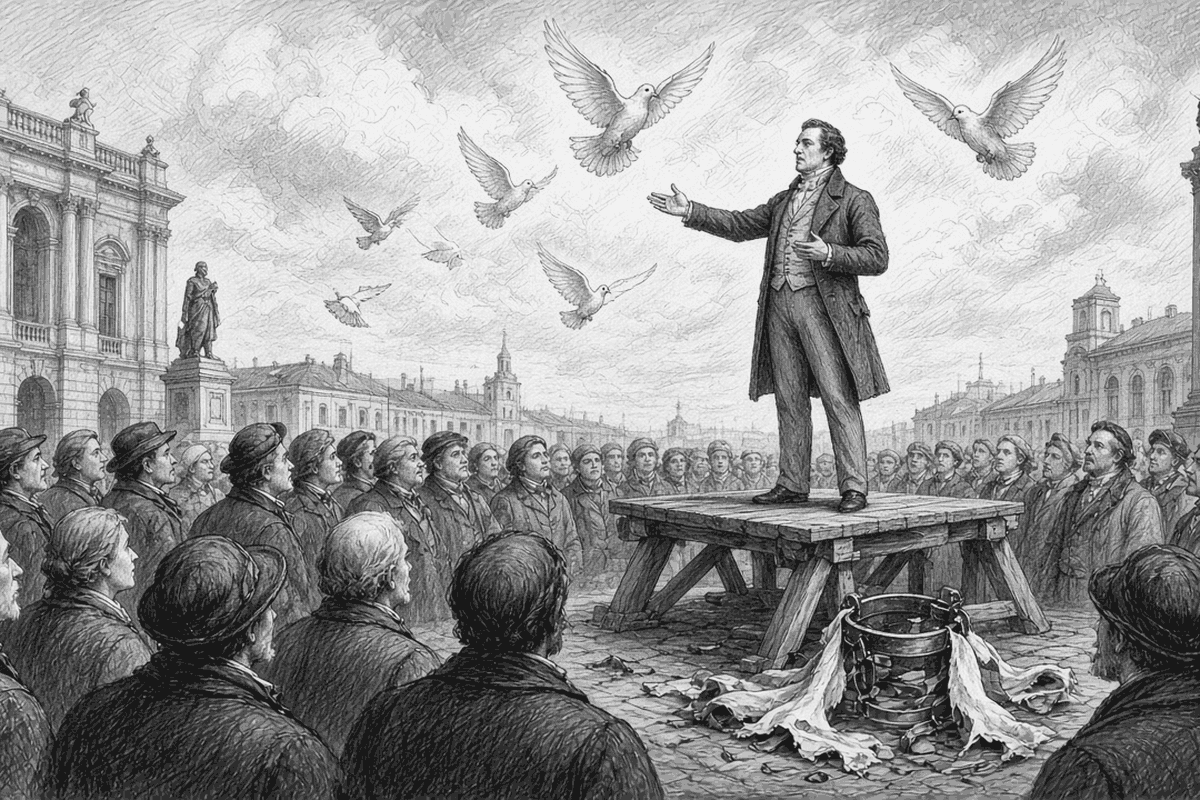
Free speech must be absolute, short of explicitly wishing for or celebrating death or bodily harm upon a person or a people.
The proposal says free speech must be absolute, short of explicitly wishing for or celebrating death or bodily harm upon a person or a people.
He also describes the forbidden speech as wishing for, calling for, or celebrating murder or other permanent physical injury. He says the two wordings do not necessarily contradict, and that either is likely to be enough.
The rule applies in state, corporate, private, and other settings. Dangerous speech is to be punished. Every other kind of speech is to be defended. Punishment itself must stay moral.
Frequently raised objections
Employers, platforms, and crowds may still punish speech
He says an employer, a platform, a mob, and a government each have a right and a responsibility to censor and punish speech that meets his definition. Those same bodies punishing any other speech are, in his words, guilty of high villainy.
Punish bad speech by any means that works
No. He wants immoral speech punished only by moral means.
5. Abortion & contraception
On the DRP Compass, more agreement counts as conservative.

Abortion, including contraceptives and all forms of pregnancy prevention or negation, should be prohibited, except to prevent the death of the mother.
The proposal prohibits abortion, including contraceptives and every form of pregnancy prevention or negation, except to prevent the death of the mother.
He treats eggs, sperm, and fetuses as living persons, and he ranks human life first. He opposes contraception both because some methods act after conception and because prevention as a whole is wrong. Natural losses are blameless. Deliberate prevention is not, and so is negligent prevention: you can be wrong without intending the harm.
He calls abortion murder. The exception is likely death, not mere risk. The parents decide. If they disagree, the doctors use their best judgment. He calls abstinence immoral, but he would leave it legal, because outlawing it would require forcing sex.
Frequently raised objections
Any risk to the mother is enough
No. Likely death makes it the parents’ decision. If the parents do not agree, the doctors use their best judgment. Risk, he says, is inherent to life.
Only intentional harm counts
He says you can also be wrong in a negligent way. The law would punish the act if she knew the cost when she did it, and it would also look at anyone who reasonably should have prevented it.
6. Immigration
On the DRP Compass, more agreement counts as liberal.
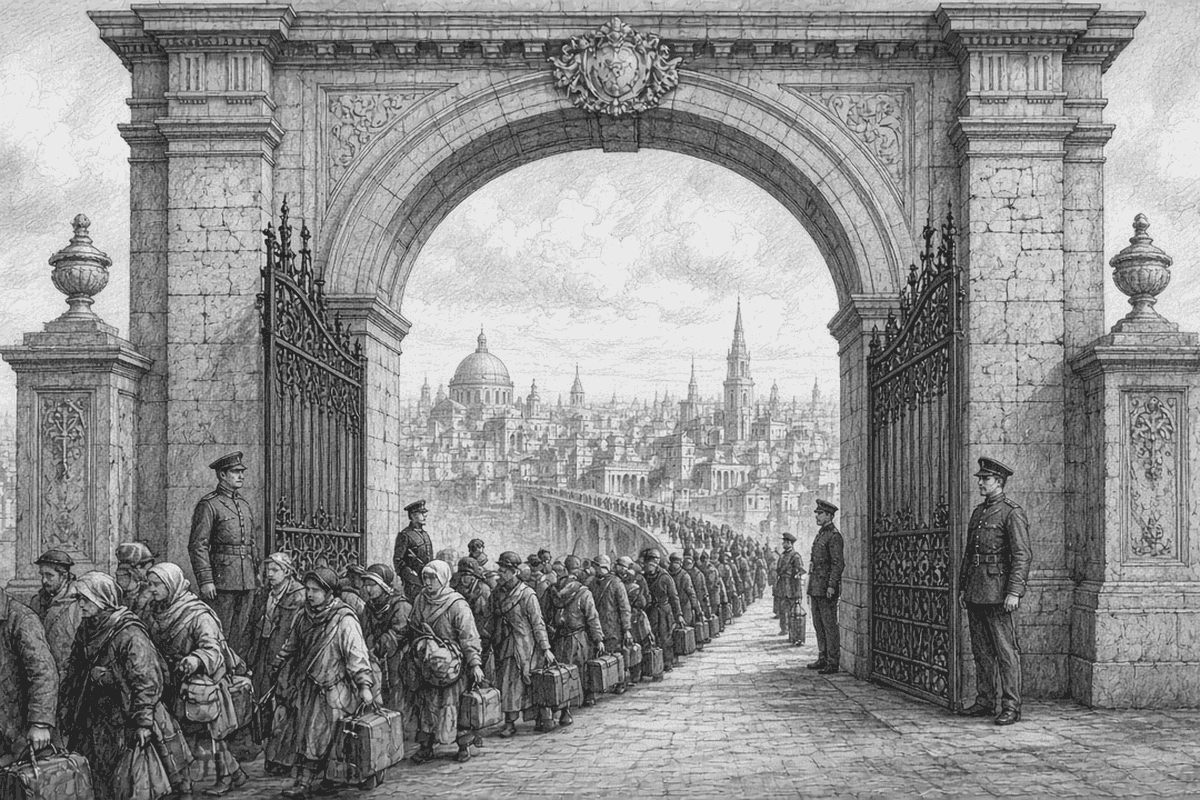
We should enable unlimited legal immigration by controlling immigrants in a strong, authoritarian way.
The proposal calls for unlimited legal immigration, with immigrants controlled in a strong, authoritarian way.
He means immigrants would be second-class citizens under total surveillance and policing, largely told how to live good lives. It is voluntary. No one is forced to come. The measures are for their protection and for the existing fabric of society. They may leave whenever they want.
Citizenship comes after a person proves himself over a sufficient period, if he wants it. A citizen is no longer second class. Children born here would pass through the same probation, and he expects they would find it easier. Birthright citizenship, in his view, could come with that probation. Everyone has a right to watch the watchers.
Frequently raised objections
The controls are forced on people
No one is forced to immigrate. The terms are voluntary, for the immigrants’ protection and for the society they enter. They can leave whenever they want.
They remain second class forever
Once a person proves himself over a sufficient time, he should have citizenship if he wants it, and then he is no longer second class.
Children born here should skip the rules
They go through the same probation, which he expects will be easier for them. Birthright citizenship could still come with probation.
Who watches that police power?
He says everyone has a right to watch the watchers. He did not describe the mechanism.
7. American Monarchy & voting
On the DRP Compass, more agreement counts as liberal.

We should adopt an American Monarchy, and greatly restrict the right to vote and the democratic mechanisms of our society.
The proposal calls for an American monarchy, and for a great restriction of the vote and of democratic mechanisms.
He says monarchy is superior because people fear the truth and to some degree cannot handle it, while a king can pursue truth more courageously. The people’s power to select a new king cannot, in his view, be fully suppressed, and the people are generally a larger threat to the king than he is to them, so the system sustains and cleans itself in a way democracy does not. Tragic as a king’s personal fate may be, he says monarchy makes a superior society.
The form he names is an elective monarchy through a witenagemot, a basileia, not a president and a senate. Crowning a king takes a unanimous decision, and so does deposing one. If no king is agreed, the best available man is appointed Lord Protector and Highest Steward of the Realm by a simple majority. He called the arrangement a golden triad of light. The search for new prospects never stops. Civil conflict, he says, need not be to the death, and replacing the present government should happen without getting anyone killed.
People would still vote on what the executives allow, at local, state, and federal level. They would not have a formal power to depose, only the power to make their voices heard. Only the witenagemot can formally depose. He remembers a council of about twenty-seven, nine from each of three categories, sitting for life, expelled only by unanimous decision of the other members and the king or steward. An expelled member has a sacred right to a speech, public or private, of any length, recorded for posterity. A Lord Protector does not veto the council. He has one vote.
Frequently raised objections
Monarchies decline and tear themselves apart
He answers with a long-lived empire: a thousand years is stable, and a ruler who lasted that long and was then deposed deserved it.
Every monarchy is only as good as its worst heir
His design is election for fitness, not birth. Crowning and deposing both take unanimity. A Lord Protector fills a gap. The search for prospects is constant. Conflict over the crown need not be to the death.
A bad king becomes a tyrant
His answer is the council’s unanimous power to depose, and his claim that the system cleans itself because the people are the greater threat to the king.
8. Climate & environment
On the DRP Compass, more agreement counts as conservative.

The climate and the environment should be protected using a reasonable level of coercion.
The proposal says the climate and the environment should be protected using a reasonable level of coercion.
Nothing is completely off the table. What keeps coercion reasonable is using the minimum necessary amount. A tool his government otherwise prohibits, a tax for example, is allowed only with an objective moral justification that it is effective and the least coercive effective option. Without that, he says the government has committed a violent crime.
He thinks warming is real and might justify some marginal coercion. He does not treat it as a reason to long for colder weather. He agreed that the serious force of the policy is for direct pollution, such as sewage in rivers and smog.
Frequently raised objections
Emissions rules price families out of cars
He agreed that if a lighter measure would work, the heavier rule fails the minimum-necessary test, and the government that imposed it is in the wrong.
Warming is not real, or not serious
He thinks it is real and might justify some marginal coercion. He also says we are supposed to be deep in an ice age, so he does not badly pine for colder weather. He agreed the picture is real but not apocalyptic, with the real teeth reserved for direct pollution.
Must Congress act, or an agency?
He does not care who does the right thing by the right standard, only that someone does, and he hopes it is done in time.
Climate policy is a back door to socialism
He agrees that is an objective. His answer is that those who want the coercion should want him to be the one doing it.
9. Deistic God
On the DRP Compass, more agreement counts as liberal.

We believe that science and logic have proven the existence of a deistic God.
The proposal says science and logic have proved a deistic God.
His proof, in his own order, is this. Energy defines consciousness. Mass and energy are convertible. Boundaries are inherently imperfect and to a great degree imaginary. Therefore the universe is one living entity, and we are a very small part of it. If those steps hold, he can think of no better definition of God than the universe. He also says nothing lacks consciousness, because everything is energy.
He does not claim a separate creator. He claims the universe is eternal and calls it God. He keeps the word deistic, and he rejects the idea that deism forbids intervention or requires a split between God and the world. Miracles and what he calls magic are real, and God can intervene, but not as a cartoon that breaks the laws of physics. Those laws are never broken. He says energy and light are substances, corporeal and tangible.
This is his argument, not the kalam cosmological argument. He rejects other names that collapse the view into a doctrine he does not accept.
Frequently raised objections
Deism means a God who does not intervene
He rejects the attack. He does not grant that classical deists respected physical law more than he does. Intervention, in his view, never breaks the laws of physics, and he asks on what authority deists deny it.
Then this is a different doctrine under another name
He rejects that name and does not accept the charge.
Consciousness cannot come from what lacks it
He is not saying it cannot. He says nothing lacks it, because everything is energy.
Energy is a measurement, not a substance
He says energy and light are substances, corporeal and tangible. Denying that, he says, is dualism, or a misunderstanding of the word substance. He treats the move as the same fallacy as placing God outside the laws of physics.
You cannot calculate fine-tuning from a single universe
By that standard of precision, he says, you cannot calculate anything. No physical measurement is perfect.
If God can be eternal, why not the universe?
That is his view. He does not claim a creator. He claims the universe is eternal, and he calls it God.
10. Nonlethal interventionism
On the DRP Compass, more agreement counts as liberal.

In foreign policy, we should adopt a stance of hyper-agressive, nonlethal interventionism.
The proposal calls for a foreign policy of hyper-agressive, nonlethal interventionism. That is the spelling in the text.
He says you intervene because you cannot trust people to work together or to refrain from killing one another. The means he names are standard warfare, heavy research into nonlethal warfare, and extremely strong defense. He is calling for a unifying conquest of the earth. He says it can be done if we want it done, and he grants that interventionism bleeds you.
Favorites among nations are allowed, and he says they exist for a reason, but everyone is welcome on the winning side. He does not care which country carries the policy out. Doing it peacefully is how a country earns it. He agrees with many criticisms of America. Both sides in a conflict, he says, are almost always terrible, and it still matters which is worse.
Frequently raised objections
People can be left to settle their own peace
He intervenes because he does not trust people to work together or to stop killing one another.
It cannot be done, or it costs too much
He says it can be done if we choose to do it. He grants that interventionism bleeds a country, and he still calls for a unifying conquest.
Playing favorites is hypocrisy
Everyone has favorites, for a reason. Everyone is still welcome on the winning side. He agrees with many criticisms of his own country, and he does not care which country does what he prescribes, so long as it is done peacefully.
A leader who hurts his own country for an ally
Whether that charge is true or not, he says it is irrelevant to this stance.
This sorts the world into good guys and bad guys
He says it does, and not incorrectly. What matters is which side is worse, while remembering that both sides are almost always terrible.
Wars are sold on false pretexts
He asks what the relevance is. He does not trust those accounts, which is why he made his own case.
11. Human inequality
On the DRP Compass, more agreement counts as liberal.
We should challenge and debunk the anti-scientific lie that people are equal to one another.
The proposal says we should challenge and debunk what it calls the anti-scientific lie that people are equal to one another.
He says there is no sense in which people are equal, including ability, worth, and rights. He says many people do claim literal equality, in public and in private, while behavior and law contradict the claim. He calls that pandering, posturing, and hallucination.
Equality as a goal, he says, is immoral, even though that sentence is outside the written claim. Mutual dignity does not require it. Diversity and equality are zero-sum in his view. Diversity is good, and equality is bad. He rejects the softer line that diversity only means something because people are unequal.
Frequently raised objections
People only mean equal worth and equal rights
He says they do mean it literally, and that they are willing to say so clearly. Putting that aside, there is no sense in which people are equal.
Equality is an ideal, not a description
He says that is outside the written claim. He still calls the goal immoral, and he says nothing about mutual dignity requires equality.
12. Tariffs
On the DRP Compass, more agreement counts as liberal.
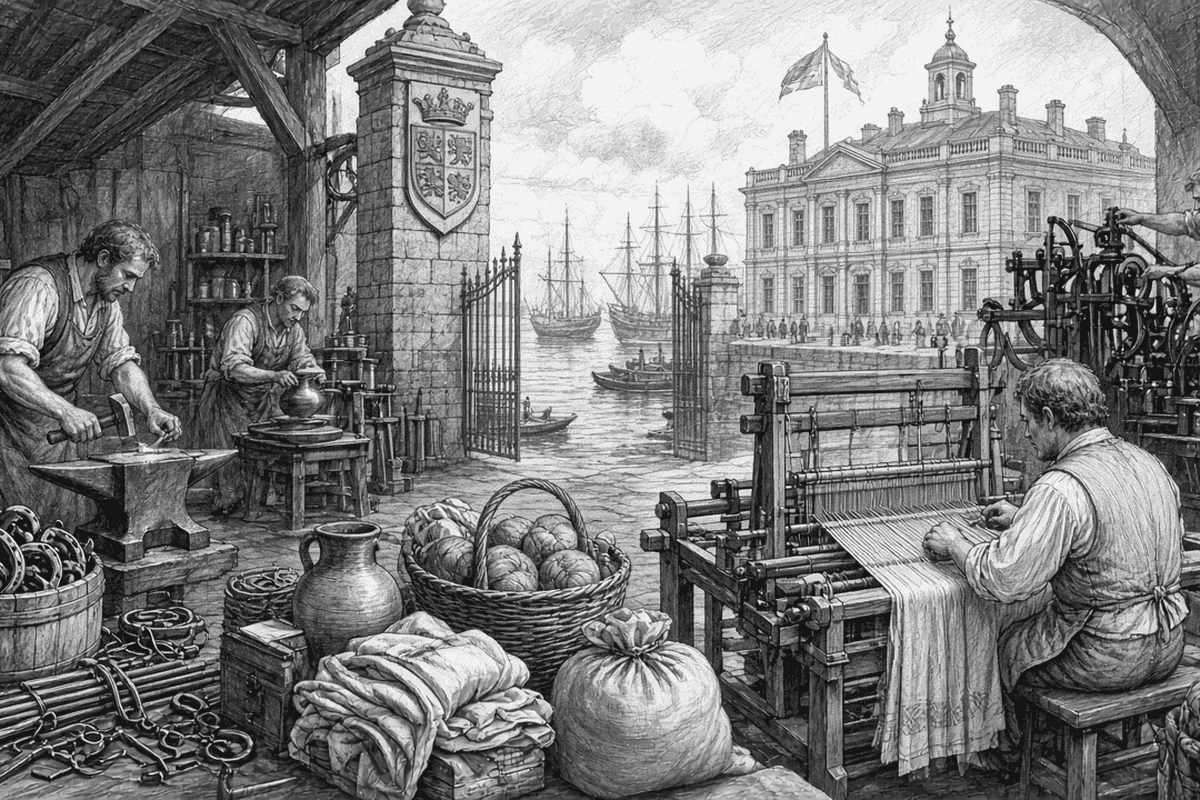
Tariffs for the purpose of stimulating an abundance of production are a moral good.
The proposal calls tariffs a moral good when their purpose is stimulating an abundance of production.
He says the tariff exists first to push overproduction and to create positive, abundance-driven deflation. It fails if it is not truly prohibitive, or if it is not enforced. If a tariff is prohibitive as intended, and overproduction and deflation relative to global demand still do not follow, he says that would be strong evidence that he is wrong.
He treats it as a tool for a world of rival nations. After unification, he says, there is no need for it, because the correct fiscal policy can then be set directly. Gains from trade, he says, should not stop at a border, but national security requires that they do until unification. The state, in his account, insures the financial survival of affected essential businesses for a reasonable period and legally requires sufficient production in every sector.
Frequently raised objections
The claim cannot be falsified
He disagrees. If the tariff is actually prohibitive and enforced, and overproduction and deflation relative to global demand do not follow, that is strong evidence he is wrong.
Trade gains should not stop at the border
He agrees they should not. National security, he says, requires the stop until unification.
A world government makes tariffs pointless
He agrees there is no need after unification. The correct fiscal policy can then be dictated.
Other countries will boycott or retaliate
Boycotts, he says, are irrelevant to the logic. They are either self-harm or a healthy correction. On a famous tariff collapse, he says the economy was overleveraged and had it coming, and that exports are overrated.
Some goods cannot be grown here
His example is bananas. His answer is greenhouses.
A high-tariff country already failed
He says he does not know that country’s details, and that a tariff fails when it is not prohibitive or not well enforced.
Small importers are ruined in the transition
The state, he says, insures the financial survival of affected essential businesses for a reasonable period, and the law requires sufficient production in every sector.
13. Prisoner freedoms
On the DRP Compass, more agreement counts as conservative.

Prisoners should be free to work a normal job for a normal competitive wage, purchase and use land and property normally, and spend unlimited amounts of time with any friends, family, or others, who wish to spend that time with the prisoner.
The proposal says prisoners should be free to work a normal job at a normal competitive wage, to purchase and use land and property normally, and to spend unlimited time with anyone who wishes to spend it with them.
He wants punishment to be psychological, not physical. Psychic misery, he says, hurts more efficiently and is humane, and corrective pain for habilitation is easy to inflict that way. Making a prisoner suffer beyond that reveals criminality in the punisher. A murderer is eternally damned for what he did. To make him suffer for reasons other than regret at his actions does a disservice to that goal.
Restitution would occur, and from the prisoner’s side it would look the way taxes look now. The prison would take the form of a city or town. A gang goes in with its boss, and crime-fighting continues as normal.
Frequently raised objections
Housing a gang with its boss lets the gang run the prison
He says that reading is ridiculous. Putting a gang in with its boss is not handing them the prison. Crime-fighting continues as normal.
Then prisoners are owed a minimum wage
He was offered a comparison with very low pay for disabled workers. He says that comparison is not really relevant.
Treatment addresses effects, not causes
Treat the effects too, he says, and then look to his other relevant issues for the causes. He did not name which issues.
A prison that profits will jail more people, including innocents
He says that would not be a large problem if prison were the decent place he wants. On innocents, he agreed that the answer is the demand for proof beyond a reasonable doubt, and for jury trials.
14. Evidence standards & jury trials
On the DRP Compass, more agreement counts as conservative.
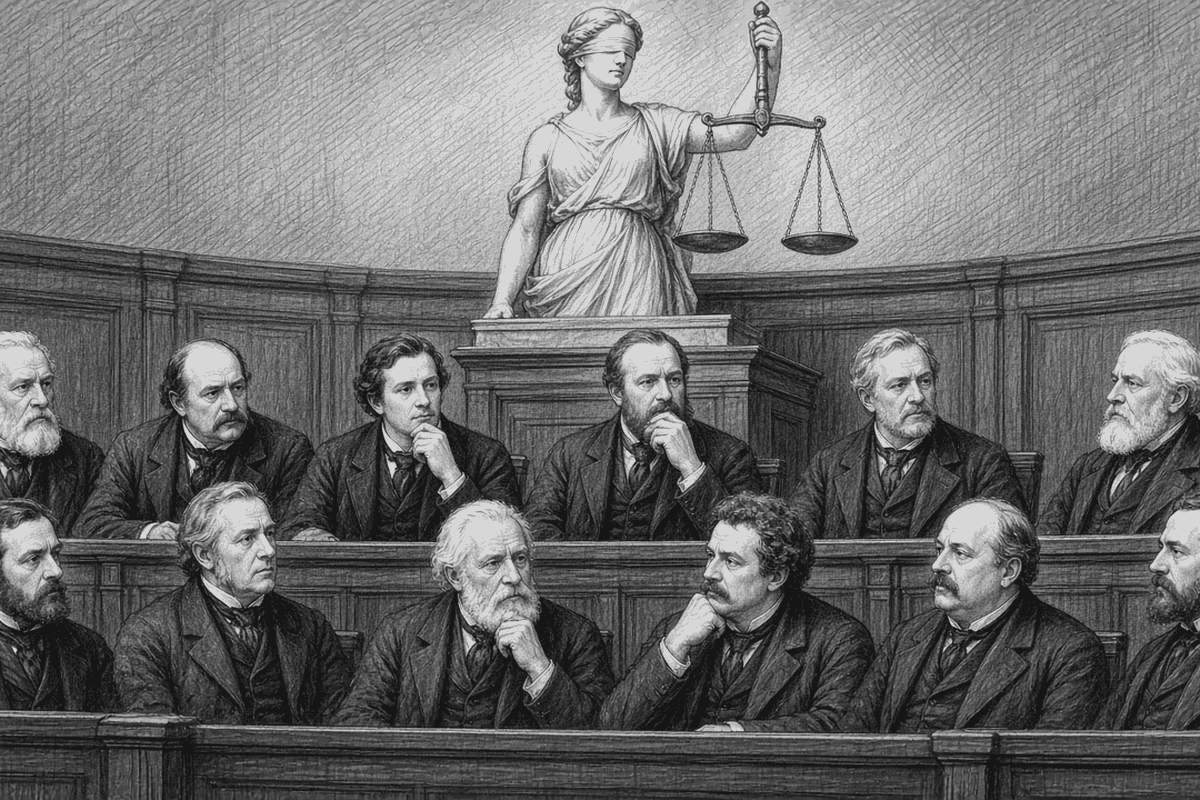
Judicial standards of evidence lower than beyond a reasonable doubt, and non-jury trials, should be abolished, both criminally and civilly.
The proposal abolishes standards of evidence below beyond a reasonable doubt, and it abolishes non-jury trials, both in criminal cases and in civil ones.
He includes small civil cases. A case is a case. He agrees that jurors can fail, and he answers that any twelve jurors are likely to be at least as fair as an average judge, because there are a lot of bad judges.
If that is not enough, judges must meet a drastically higher standard, and the accused chooses the format. The choice is an addition, not a substitute: the higher standard for judges, and the accused’s choice between a jury and a judge whose identity is disclosed first. He said that with the higher standard, juries could even be dispensed with.
Frequently raised objections
Small civil cases cannot bear that standard
A case is a case. He includes the small ones.
Jurors are less fair than judges
He agrees there is a problem with jurors, and he says any twelve are likely at least as fair as an average judge. There are a lot of bad judges.
Then raise the standard for judges and drop juries
He agrees the standard for judges must be drastically higher. He also wants the accused to choose between a jury and a disclosed judge. Both parts apply. They are not alternatives that cancel each other.
15. Police & no lethal force
On the DRP Compass, more agreement counts as conservative.
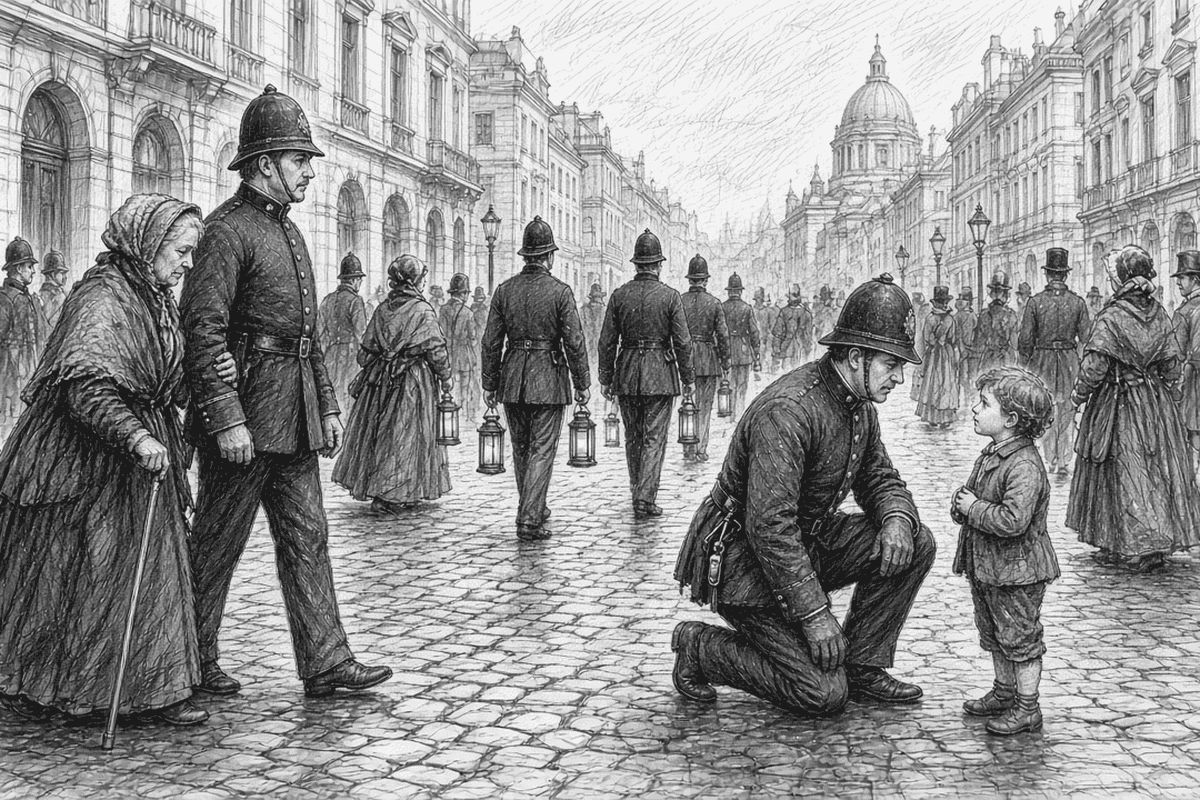
We must hire many more police, pay them much better, and abolish the use of lethal force in law enforcement.
The proposal says hire many more police, pay them much better, and abolish lethal force in law enforcement.
More police, because we do not deter enough crime. Better pay, because the work is extremely hard and dangerous, and it will be more dangerous still when it is nonlethal only.
Abolition is not immediate. It follows the same timeline as the regulation of lethal weapons generally: lethal force goes once nonlethal weapons are comparably effective and available. Until then, lethal weapons are overwhelmingly more effective, and he holds that there is a sacred right to use them to defend loved ones and to enforce law and order. Killing is wrong in principle, and the lack of a comparable nonlethal option is the excuse. Police are held to the same standard as anyone else.
Frequently raised objections
Abolish lethal force immediately
No. It ends on the same timeline as other lethal weapons, once nonlethal weapons are comparably effective and available.
Armed suspects and other hard cases make that impossible
Until nonlethal weapons match lethal ones, he says those cases fall under the right to use the more effective weapon in defense and in enforcing order.
Hold police to a stricter standard
No. The standard is the same as for anyone else. An officer who kills without need faces the same consequences as anyone in that situation.
A nonlethal weapon can still kill
That death is judged by intent, and by negligence or competence.
Why more police, and why more pay?
More police, because crime is not deterred enough. More pay, because the job is extremely hard and dangerous, and more dangerous still when lethal force is gone.
16. Humans naturally wicked
On the DRP Compass, more agreement counts as conservative.

Resolved: humans are naturally wicked.
The proposal resolves that humans are naturally wicked.
He means we are born into sin and live in it, because staying alive takes from the rest of the world: food, shelter, and a mother’s body, before any choice is possible. That is not a reason to hate yourself. It is easier to be good, he says, once you realize you are not good inherently.
Babies are not a blank start. Good and evil are about living morally or immorally. Nature is good, because life is a blessing, and nothing is neutral. Life is divine, and survival requires sin. The conscience exists to make that necessary sin more efficient, and being more efficient largely means being a better person.
Frequently raised objections
Babies are born neutral
He says no. From birth, a baby lives by taking: food, shelter, and the mother’s body. He also says nothing in the world is truly neutral.
Good and evil are only human labels
Good and evil, he says, are about living morally or immorally. Nature is good, not bad and not neutral.
If nature is good, a hunter’s killing cannot be wicked
Nature is good because the hunter, the hunted, and the human caught in that hunt are all blessed with life. Life is divine, and survival still requires sin.
A conscience proves we are good underneath
He says the conscience proves we need one. It exists to make necessary sin more efficient, and that efficiency largely means being a better person.
17. Globalism vs nationalism
On the DRP Compass, more agreement counts as liberal.

Globalism is superior to nationalism.
The proposal says globalism is superior to nationalism.
For him, that means unifying the earth under one government, by weapons and strategies designed to be nonlethal, not guaranteed never to kill. The end he names is inventing immortality and resurrection, and seeing humanity become what he calls angelic superbeings over millennia. Unification, he says, is the logical way to maximize the chance of that success. He finds it deeply offensive that humanity is not yet a single planetary civilization in the scale he uses.
He will create a monarchy, not a democracy. The first step in each country is still to persuade a majority of its citizens. He also says he uses the will of the people because he understands that appeal, not because it is his creed. Taking power by the most peaceful available path, he says, makes it hard for a more violent deposition to claim the moral high ground. He does not intend to hide his intentions.
He is proud to be white, he loves diversity, and he does not want any race to go extinct, including his own. As a global minority, he says, the choice is to rule or be ruled. Ruling, he will protect his own race and every other race. Unification, as he approved it said, does not require dissolving cultures. A world government has reason to protect them. No one may secede. Local governance may vary, but only to a degree.
Frequently raised objections
World unity is hubris
He thinks the warning has force. He would still rather rule with a humble soul and a loving heart than be ruled by people who lack them.
Nations must be free to leave, and to rule themselves
No one can ever secede. A diversity of local governance is tolerated only to a degree.
Who keeps the rulers honest?
He points to the keepers of the world government’s constitution, and to memory of him and of his written words, as the north star.
Saying this openly will only create resistance
He does not intend to hide. He says the strategy still works with his intentions and values in the open, and that the exposure is how he earns trust.
Low birthrates should be solved by immigration
He calls the birthrate problem a crisis, and immigration the wrong solution to it. Immigration can still be good on its own terms when done right. Birthrates are a separate issue.
Lead with protecting every race, and drop “rule or be ruled”
He refused that edit. He says he has to earn trust without lying, and that the exposure is the point.
18. Property rights
On the DRP Compass, more agreement counts as liberal.

Except for slavery, the right to own and control physical property shall not be infringed.
The proposal says that, except for slavery, the right to own and control physical property shall not be infringed.
He grounds that claim in natural philosophy first, and in the Constitution sometimes, as support. The party’s abolition of taxes is a separate issue, and he invokes it here. Government may not force a sale unless it can show a clear and present danger that national security requires the taking.
Property can be forfeited after a conviction, if there is a real reason. Zoning and homeowners’ associations are mixed: mostly illegitimate, with real safety interests still in view. Someone who refuses to leave in breach of contract should be jailed.
Frequently raised objections
The state may take property after a conviction
Yes, he says, if it has a real reason to do so.
Taxes and forced sales are ordinary government
The party stands for abolishing taxes. A forced sale is forbidden unless there is a clear and present danger that national security requires it.
Zoning and neighborhood rules are just property law
He calls them mixed. Mostly illegitimate, he says, though real safety interests remain.
Occupants who stay without right should be tolerated
If they refuse to leave and are in breach of contract, he says they should be jailed.
19. Slavery condemned
On the DRP Compass, more agreement counts as conservative.
Slavery shall forever be illegal and condemned.
The proposal says slavery shall forever be illegal and condemned.
Asked how far the condemnation goes, he said both: as a moral absolute, and so that slavery cannot return under a new name. He does not count low-wage work as slavery. He does not think the constitutional exception that allows involuntary servitude as punishment for crime should be removed. He gave no further reason for that last answer.
Officials who protect trafficking, or who ignore it, are accomplices in his view, and they should also be charged for betraying their oath. Reparations are a separate topic. He does not think they are all bad. He thinks they should not be paid with tax dollars.
Frequently raised objections
Is the ban only moral, or also a bar on new names for the same thing?
Both. He gave that as a single answer.
Remove the punishment exception in the anti-slavery amendment
He says it should not be removed. He did not give a reason in this discussion.
Low wages are slavery
He does not count them as slavery.
Officials who look away from trafficking are merely negligent
He calls them accomplices, to be charged with the applicable crimes and with betraying their oath.
Reparations should be paid from taxes
Reparations are a separate topic. He does not think they are all bad. He thinks they should not be paid with tax dollars.
20. Socialism & Communism
On the DRP Compass, more agreement counts as liberal.
Socialism and Communism are evil to the extent that they are funded coersively or usurp the authority of the state.
The proposal says Socialism and Communism are evil to the extent that they are funded coercively, or usurp the authority of the state. The platform text spells that word coersively.
On taxing the rich for social programs, his answer is that the party stands for abolishing taxes. On a socialism that rejects the state, he says “reject” is a slippery word: rejection can be peaceful or violent, and either can be justified or not. Cultural socialism, he says, is fine and good. Subversion of institutions is not.
If banks will not lend to a cooperative, his answer is that those people should find funding elsewhere, or they are likely not responsible enough to borrow.
Frequently raised objections
Taxing the rich for social programs is the coercion you mean
His answer is that the party stands for abolishing taxes.
A socialism that rejects the state is the whole evil
Rejection can be peaceful or violent, and either can be justified or not. Cultural socialism is fine and good. Subversion of institutions is not.
Cooperatives die if banks will not lend
Anyone a bank will not lend to should find funding elsewhere, or is likely not responsible enough to borrow. He does not call for special state help.
21. Drug legalization
On the DRP Compass, more agreement counts as liberal.
All drugs should be legalized and regulated.
The proposal says all drugs should be legalized and regulated.
He largely accepts that adults decide what goes into their bodies, that the law targets harm to others, that sellers must label honestly and answer for what they sell, and that a store is better than a street dealer. There are limits. He first said a drug that kills in one dose would stay banned, then revised that: lethal drugs would be legal, and regulated as a lethal bioweapon.
He sorts the rest by danger. Everyday drugs are ordinary, under a maturity test. Dangerous drugs that have safe doses need a license that is extremely hard for a casual user to get. Fentanyl, he says, has safe quantities and a legitimate use for the acutely injured. Maturity is psychological and physical. He would abolish a hard age line for a reasonable-person test of the whole situation, and he insists that a maturity test is still an age test, only a scalpel rather than a buzz saw. Sellers who fail start with fines, and prison is an option if they persist. Medical-only legalization, he says, can be useful and is still bad faith, because it is closed to the need he says everyone has for effective recreation.
Frequently raised objections
Adults may take anything, with no outer limit
Largely, but not entirely. A drug that kills in a single dose is still controlled. He later said such drugs would be legal and regulated as a lethal bioweapon.
Some drugs have no safe dose and no real use
He says fentanyl has safe quantities and a legitimate purpose for people who are acutely injured. Dangerous drugs of that kind would need a license that is extremely hard to get.
Set a hard age and be done
He would abolish the bright age line for a reasonable-person judgment of the whole situation. If the buyer seems old enough, the seller is fine. He still calls a maturity rule an age rule, only a sharper one.
What happens to a seller who gets this wrong?
Fines first. Prison if they keep doing it.
Legalize medicine and leave recreation illegal
He grants a practical use, and he calls the limit bad faith. He thinks the people making it would often be better off with some recreational use, and he calls the refusal closed to a need everyone has.
22. Suicide illegal
On the DRP Compass, more agreement counts as conservative.
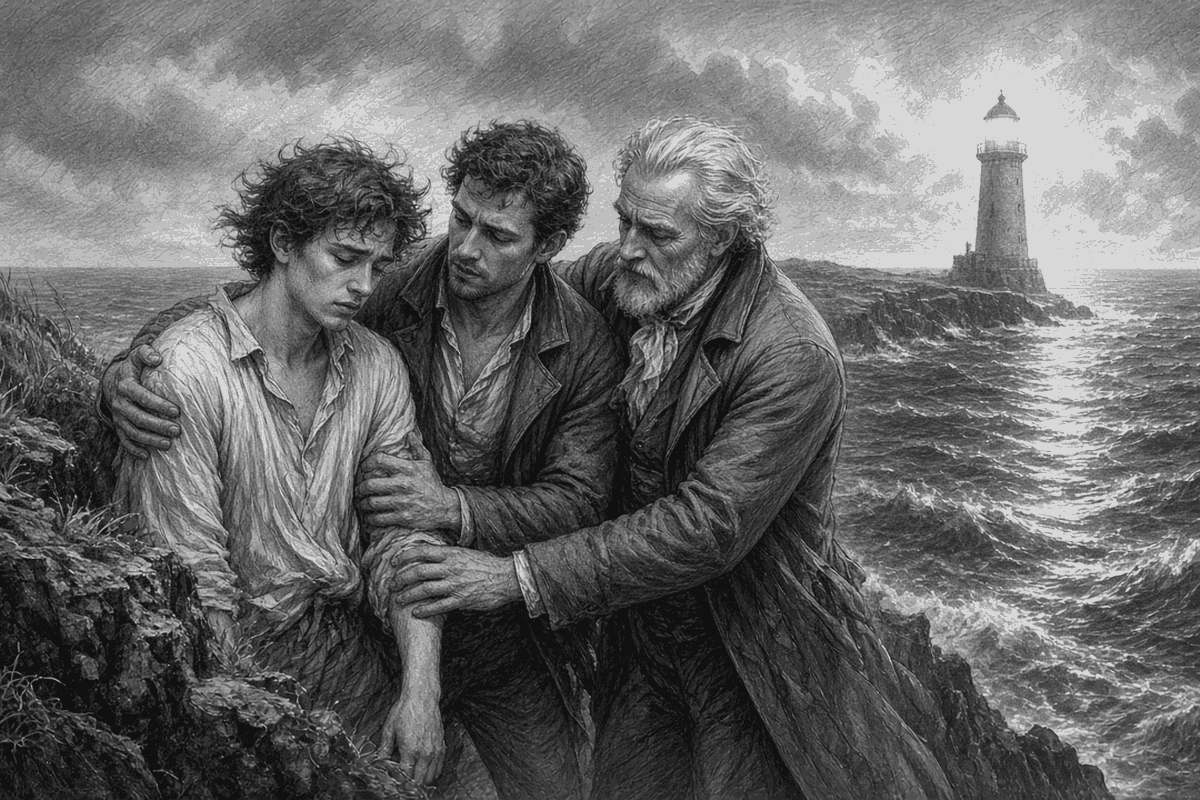
Suicide should be illegal.
The proposal says suicide should be illegal.
It is wrong, he says, because all good is possible only through life. A life does not belong only to the person living it. Identity includes other people. In many ways a person should be free, but the life belongs to God, or the universe, which he calls the same thing, and there is no right to destroy it on purpose.
For constant, unmanageable, debilitating pain, he prescribes a medically induced coma. Someone who tries to die, and who committed no further crime, goes into medical custody. Someone who assists goes into ordinary custody. He applies the same reasoning to pets: euthanasia is not acceptable there either.
Frequently raised objections
Unbearable pain makes a ban cruel
For constant, unmanageable, debilitating pain, he prescribes a medically induced coma.
It is my life
He says your life does not belong only to you. Your identity includes the rest of us. You should be free in many ways, but the life belongs to God, or the universe, and you have no right to destroy it on purpose.
If guns are legal, a peaceful death should be too
Guns, he says, exist to protect life. He rejects the comparison, and he wants the rejection to sting.
We already euthanize suffering animals
Pet euthanasia is not acceptable either. He says the reasoning is identical.
23. Immortality & resurrection
On the DRP Compass, more agreement counts as conservative.
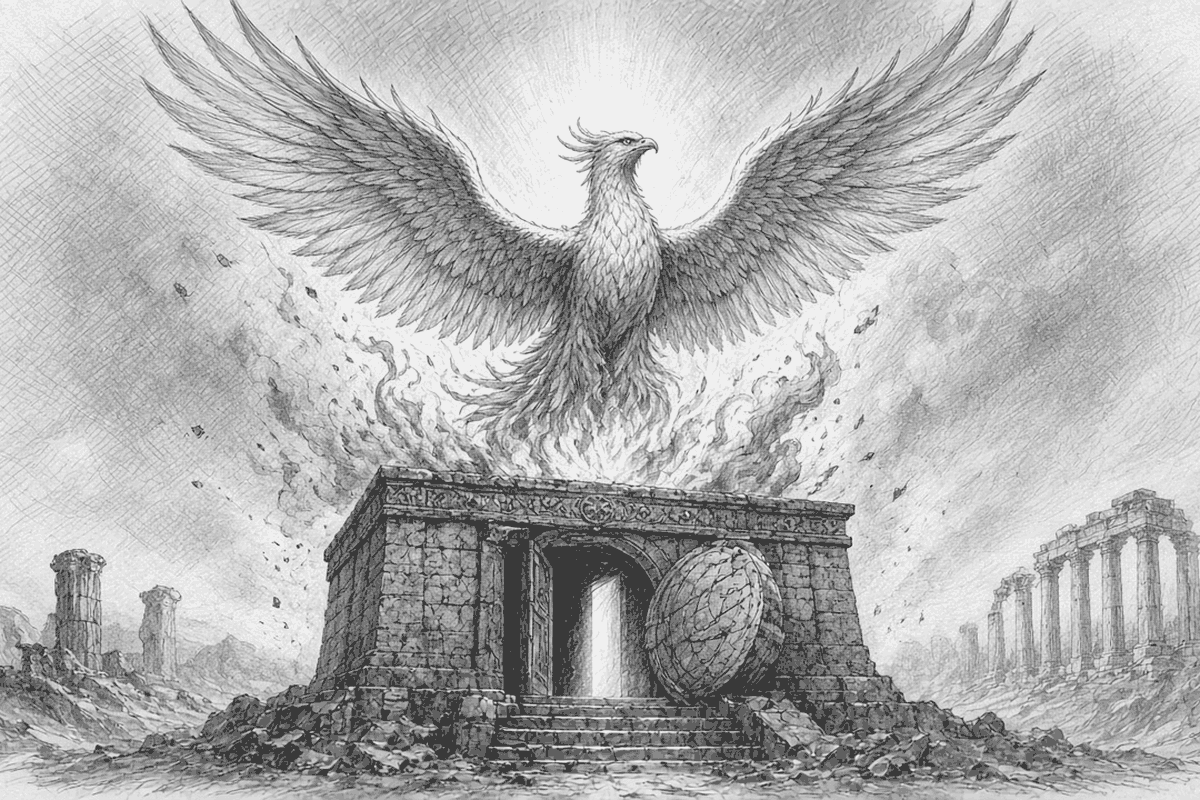
Immortality and resurrection are the highest, most noble aspirations of humanity.
The proposal says immortality and resurrection are the highest, most noble aspirations of humanity.
In the account of this discussion, death does not give life meaning. What is precious in a rare thing, on his comparison with gold, is quality, not scarcity, and scarcity never fully disappears: one place, one person, one act at a time. “Eventually” is worth almost nothing beside now, so urgency does not depend on death. Immortality and resurrection do not outrank justice or love. They are the only way, in this account, to honor justice and love.
He has called himself a temporarily embarrassed immortal. He has also said that unifying the world is the logical way to improve the chance of success at immortality and resurrection.
Frequently raised objections
God already promises eternal life, so the project is impious
The account of his answer is that God is in all people and promises eternal life, that humanity was made immortal and mortality was a punishment, that sins can be atoned and punishments revoked, and that God helps those who help themselves. Building immortality by science is, on that account, God’s will.
24. Weapons legal
On the DRP Compass, more agreement counts as liberal.
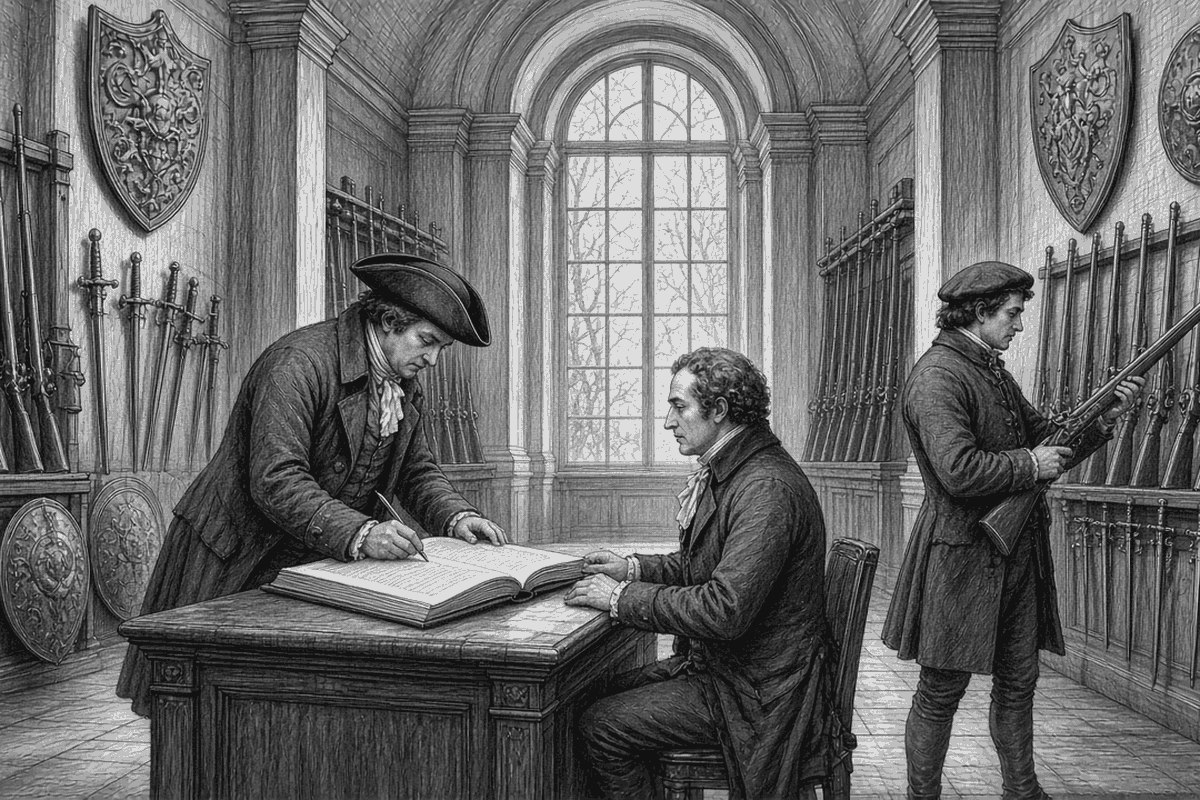
All weapons should be legal and reasonably regulated.
The proposal says all weapons should be legal and reasonably regulated.
All means all, including the most destructive weapons. Regulation can still be written so that even a state would struggle to meet it. For lethal weapons, the heavy regulation waits until nonlethal weapons are comparably effective and available. After that, a person would have to convince the state that he does not intend to kill anyone, even in self-defense. Until then, lethal weapons are overwhelmingly more effective, very little regulation can be justified, and he says men have a sacred right to use them to defend their loved ones and to enforce law and order.
Frequently raised objections
Killing is wrong, so lethal weapons should be illegal now
The tight regulation waits until nonlethal weapons are comparably effective and available. After that, the state must be convinced that the owner does not intend to kill, even in self-defense.
“All” cannot include the worst weapons
All means all. He adds that a regulation can be written so state powers themselves would struggle to qualify.
Reasonable regulation means the familiar list of gun laws
He did not go through those measures one by one. While lethal weapons are overwhelmingly more effective, he says very little regulation can be justified.
25. Polygyny & birthrates
On the DRP Compass, more agreement counts as conservative.
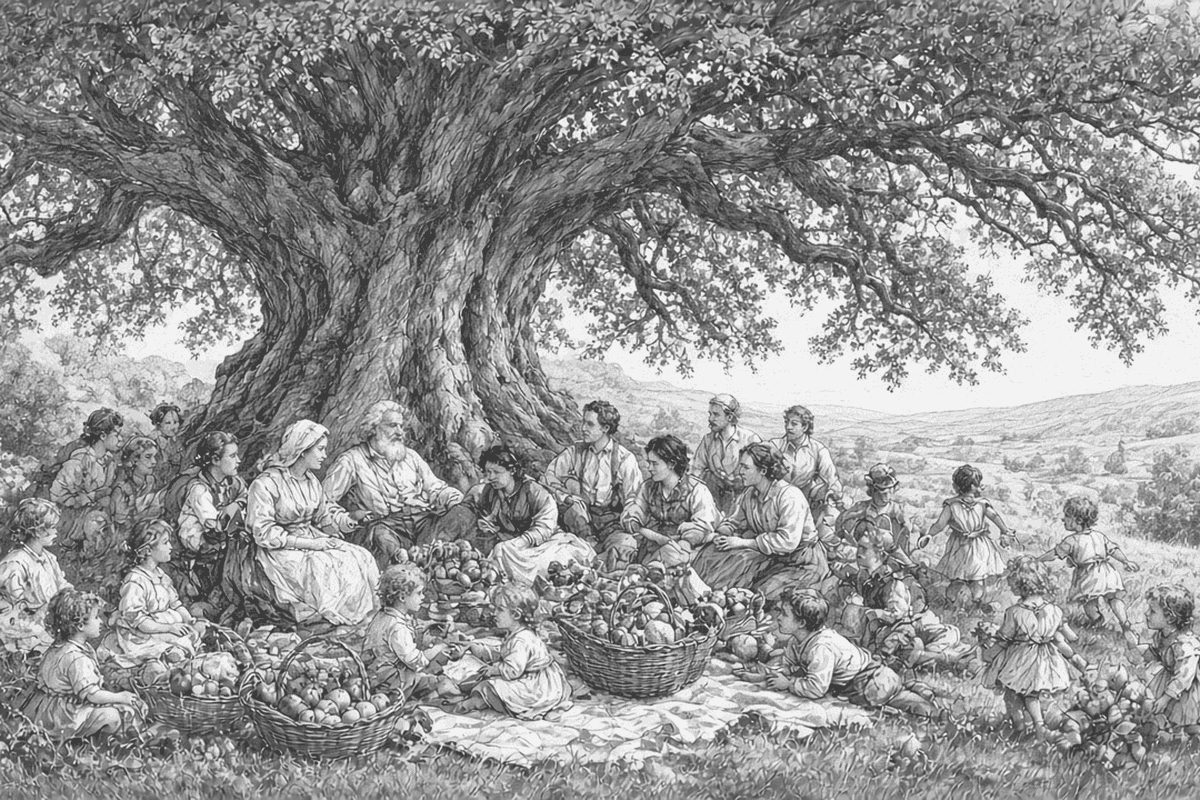
Society should embrace polyginy and all other means of maximizing birthrates.
The proposal says society should embrace polygyny, spelled that way in the text, and all other means of maximizing birthrates.
He wants the word polygyny said outright. His argument, against a man who will not have children while prices are high, is that children are an investment that pays out hugely, not a financial loss, before morality is even counted. Polygyny helps, he says, only after a man masters one woman: earn her, provide for her, and the resources to master many follow. A household of several wives, he says, saves time and money by economy of scale. Failure to master even one woman, in today’s societies, is a failure of skill and of bravery.
He rejected a softer wording that dropped “master.” The public line he approved keeps that word, names polygyny, and concedes none of the complaint about prices.
Frequently raised objections
People cannot afford children while prices stay high
He calls children a hugely paying investment, not a loss. Master one woman first, by earning her and providing for her, and the resources for more than one follow. Several wives, he says, save time and money by economy of scale. If one woman is out of reach, the failure is skill and bravery, not wages.
26. Gay
On the DRP Compass, more agreement counts as conservative.

It is wrong to be gay.
The proposal says it is wrong to be gay.
Asked whether the view rests on scripture, he gave a different primary reason: homosexuality kills eggs and sperm that would otherwise grow to adulthood. There are further harms, including what he calls a dilution of masculinity in society. Other acts that harm sperm and eggs are also bad. The response, law or culture or persuasion, depends on how large the stakes are.
Homosexuality as an emotion is legal and should be fought culturally. Sex between men should be illegal. Female bisexuality, done along with trying to have children by her husband or by the man of her household, he calls good. Pleasure between women does not, in his account, kill eggs, and he says there is nothing inherently degrading to masculinity in it. He also points to the party’s rejection of equality.
Frequently raised objections
Then masturbation, contraception, and celibacy are wrong too
Yes. Those are also bad. He says we should prevent them as far as is reasonably within our power.
Female bisexuality breaks the argument
It can be done immorally, as heterosexual sex can. Done along with trying to have children by her husband or the man of her household, he calls it good. Women, he says, can have sexual pleasure without killing eggs, and two women together do not inherently dilute masculinity.
Private conduct is not the law’s business
The tool depends on the stakes. The emotion is legal and is fought culturally. Sex between men should be illegal.
Courts have already rejected sodomy laws
He says he does not know the details of that case. A sodomy law is good, in his view, if it punishes sex between men and not sex between women. Sex with a woman is a crime, on this point, only in the case he specifies: ejaculation in the anus.
Equal protection forbids the distinction
He answers with biology, as he states it, and with the party’s stance against equality.
27. Trans
On the DRP Compass, more agreement counts as conservative.
With the current technology, it is wrong to be trans.
The proposal says that, with the current technology, it is wrong to be trans.
The wrong, he says, is that the technology cannot deliver a good result. It is about the outcome, not about calling the feeling a sin. As an emotion, it should be legal. The drugs and surgeries that affirm a transition are to be banned at the earliest opportunity, for adults as well as minors, until a transition is real. First stop the harm, then see what restitution is owed. An earlier, narrower line limited the ban to procedures that sterilize or damage reproductive organs. He later widened it to all affirming drugs and surgeries. Sterilization remains the sharpest harm, not the only one.
Vasectomy and tubal ligation are also bad and must be prevented, within reason. Within reason means a good-faith effort to prevent something worse, and he means something worse physically. Feelings are never a valid reason to sterilize a human being.
Frequently raised objections
Adults may choose this for themselves
He includes adults. Feelings never justify sterilization, and the wrong he names is the outcome, not a sin. The feeling stays legal. The drugs and surgeries do not, until a transition is real.
Refusal drives people to suicide
He points back to the rule about feelings, and to his stance that suicide should be illegal. The answer is to prevent the death, not to sterilize.
Medicine has settled this
He says the authorities are not trustworthy and the outcomes are clearly bad. He does not want politeness toward the body that, in his words, uses its authority to approve the mutilation of children and the destruction of reproductive capacity. Public argument, as he would have it made, leads with the documented record.
This is between a patient and a doctor
He says to make the objector concede that a doctor can prescribe something bad for you, and that parents can abuse and mutilate children in other ways too. The community shares your identity, and you owe it decent conduct. A lawsuit after the fact is not enough. The ban comes first.
Screening, other diagnoses, or a parent’s consent can make it acceptable
He treats those proposals as already answered. Feelings never justify sterilization, and none of them opens an exception.
Schools should not teach this view
He says they should teach it, and that the teachers should be unbiased and should hold his view.
The position contradicts itself
He grants that it sounds as if it does. The feeling is legal. The harmful medicine is banned until a real transition exists.
28. Prostitution
On the DRP Compass, more agreement counts as liberal.
Prostitution should be legal and regulated.
The proposal says prostitution should be legal and regulated.
He says it is not chiefly about empowering women, although it can and does. It is about empowering men. Voluntary sex, in his words, is a product with a market price, and refusing to pretend otherwise does not cause trafficking. Trafficking is a crime against a victim and remains a crime.
He wants unreasonable regulations stripped away so the legal trade can meet legitimate demand, and an all-out campaign against the illegal side until that side is gone. It is wrong, he says, to shame the work as such. Bad practitioners should be shamed, as in any profession. He also says there are more women than men, that each professional serves many men, and that the felt shortage is of ordinary intimacy, which turns on family formation, economics, romance, parenting, and adult examples.
Frequently raised objections
Need makes consent unreal
No amount of money, he says, makes consent fake. That is not what the word means.
Keep it legal and keep it shameful
He says it is not legal, that shaming the work is wrong, and that bad practitioners should be shamed as in any other profession.
Legalization sacrifices trafficked women and children
He says the point is empowering men, though it can empower women too. A crime victim has suffered a crime. Denying that voluntary sex has a market price did not cause that crime.
A legal market feeds traffickers
Remove unreasonable regulations so legitimate demand has no need of a black market, and crush the illegal trade until it is gone.
There are not enough willing participants
He says there are more women than men, and that each professional is hired by many men. The shortage he sees is of ordinary intimacy, which depends on family, money, romance, parenting, and adult examples.
Workers themselves are divided, and the legalizers are a privileged few
Whatever they think they want, he says legalizing and regulating will make them safer and likely happier.
Punish buyers and leave sellers alone
He calls that punitive to men for no reason.
A legal trade destroys the sanctity of sex
His solution is to ban contraception and abortion. A highly sexual society would then, he says, be wholesome.
The group may limit bodily autonomy here
He agrees the group may limit bodily autonomy, and he does not see the relevance. He says prostitutes reduce male aggression and depression, and that this saves the lives of men, women, and children.
Restrict the willing few to protect everyone else
By that logic, he says, everyone would be imprisoned to fight crime. He invokes the older rule that it is better to let guilty people go than to lock up an innocent one.
29. Nonlethal military
On the DRP Compass, more agreement counts as conservative.
Our military should exclusively use nonlethal force.
The proposal says the military should exclusively use nonlethal force.
Killing, in his account, is wrong in principle. At the small scale, a situation can force a person to kill in defense, because highly effective nonlethal weapons are not available. That killing is excused, not approved, and the lack of the tools is itself immoral. It is not a reason to kill en masse, and a military is the mass case.
Where nonlethal restraint costs an innocent life, he calls that the price of a just war. He is not saying the innocent should die so that a killer’s soul stays clean. His phrase is that he is spending the child to save the immortal soul of the father, and he corrected the reading that treats this as approval of the child’s death.
Frequently raised objections
Nonlethal restraint will cost innocent lives
He calls that the price of a just war. He is not approving the innocent’s death for the sake of a killer’s soul. At the small scale, defense can force a killing. That is no reason to do it en masse.
People already kill to defend their families
He says that, too, is wrong. It is excused only because effective nonlethal weapons are not available, and that lack is itself immoral.
30. Death penalty abolition
On the DRP Compass, more agreement counts as conservative.
The death penalty shall be prohibited in all circumstances.
The proposal prohibits the death penalty in all circumstances.
For the worst killers, he names three gains in keeping them alive: the fruit of their future labor, the chance to redeem them, and the knowledge that we have not presumed to speak with the authority of God. For a listener who rejects God, he says to substitute the phrase “objective morality,” which he says means the same thing.
A prisoner who kills again can be held where he is no threat, under the prison he has already described, not as cruelty for its own sake. He would rather have had tyrants alive, because living men make history harder to lie about. He grants that a mission of resurrection lowers the price of murder. He says the price is still too high.
Frequently raised objections
Some killers are too evil to live
He names three gains: their future labor, the chance to redeem them, and refusing to speak with the authority of God. With atheists, he says, use “objective morality” for God. It means the same thing.
A lifer with nothing to lose will kill again
He says such people can be held where they are no threat to anyone, and he points to the prison he wants, not to torture.
War criminals and tyrants are different
He would rather such men were alive, because it would be harder to lie about history. The three gains above still apply.
If the dead can return, execution matters less
He grants that the mission lowers the price of murder. He says it is still too high a price.
Forced labor, or solitary, is just another cruelty
He points to how he wants prison to be. The answer is that reform, not a harsher cell.